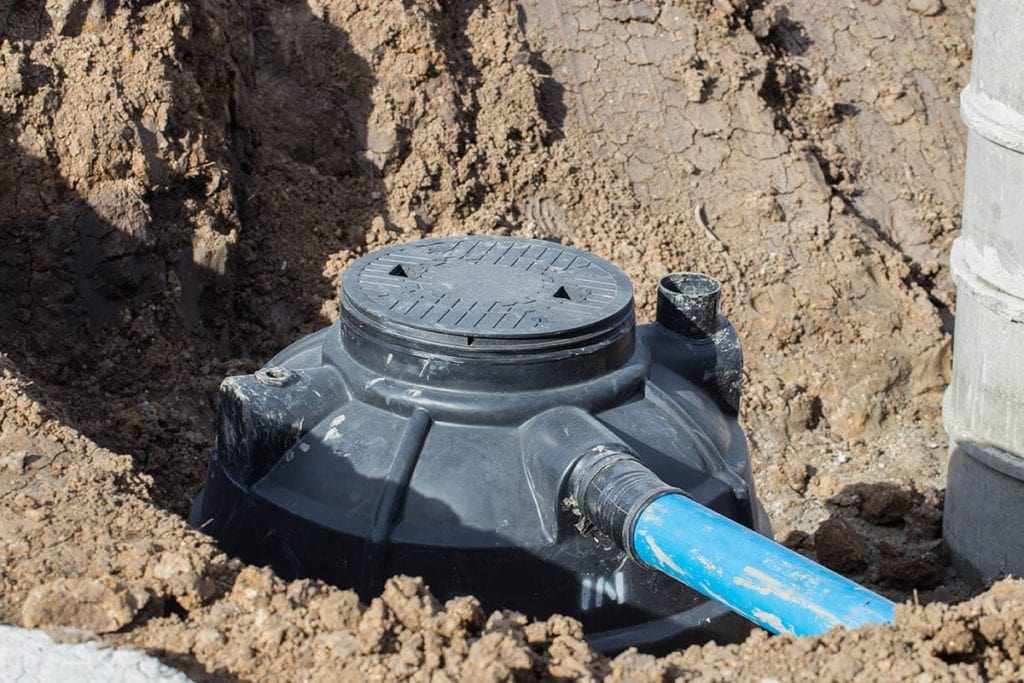
Eliminating Unpleasant Septic Tank Odors in Your Home
The presence of a septic system is often a point of pride for homeowners, as it demonstrates environmental consciousness and independence from municipal sewer systems. However, a well-functioning septic system shouldn't emit unpleasant odors. When you detect a foul smell emanating from your home, it's a strong indicator of a potential issue within your septic system. This article will explore the common causes of septic tank odors and provide actionable steps to eliminate them.
Understanding the Source of the Odor
Septic tank odors typically arise from the breakdown of organic waste within the tank. As bacteria decompose the waste, they release hydrogen sulfide gas, the primary culprit behind the characteristic rotten egg smell. Here are the most common causes of septic tank odor problems:
1. Overflowing Septic Tank
If your septic tank is full, the wastewater has nowhere to go but up. This leads to a backup of sewage into your house through various plumbing fixtures like toilets, drains, and even floor drains. The telltale sign of a full tank is often a gurgling sound in your plumbing or slow-draining sinks and toilets.
2. Leaking Septic Tank or Drainfield
Cracks or breaches in the septic tank or drainfield allow wastewater to escape and seep into the surrounding soil. As the wastewater breaks down, it releases foul odors that can permeate your home, especially if the leak is near a foundation or basement.
3. Clogged Drainfield
The drainfield is responsible for filtering and purifying wastewater. When it becomes clogged with debris, such as tree roots or accumulated solids, the filtration process is disrupted. This can lead to wastewater backup and odors.
4. Improper Ventilation
Septic tanks require proper ventilation to prevent the buildup of gases. If the vent pipe is blocked or malfunctioning, odors can escape into the house, especially through plumbing fixtures or cracks in the foundation.
5. Poorly Maintained Plumbing
Issues within your plumbing system can contribute to septic tank odor problems. For instance, leaky pipes or poorly installed plumbing fixtures can allow sewer gases to enter your home.Strategies for Eliminating Septic Tank Odors
Addressing the source of the odor is crucial for a permanent solution. The following strategies can help mitigate or eliminate septic tank odors:
1. Professional Inspection and Maintenance
The first step is to contact a qualified septic system professional. They can inspect your system, identify the source of the odor, and recommend appropriate solutions. Regular inspections and maintenance, typically every 2-3 years, are essential to prevent issues from escalating. This includes pumping the tank when it's about 1/3 full to ensure it functions efficiently.
2. Addressing Overflowing Septic Tank
If your septic tank is overflowing, immediate action is required. Contact a professional to pump the tank and determine the reason for the overflow. This could involve repairing a broken pump, addressing a clogged drainfield, or adjusting usage habits.
3. Repairing Leaks in Septic Tank or Drainfield
Locating and repairing leaks is critical. A professional can assess the extent of the damage and recommend appropriate repair or replacement solutions. This might involve sealing cracks, replacing sections of the tank or drainfield, or even installing a new system entirely.
4. Cleaning and Maintaining the Drainfield
Regularly cleaning the drainfield helps prevent clogs. Avoid activities that can lead to clogging, such as parking cars or heavy vehicles on the drainfield area, planting trees with deep roots near the drainfield, or using excessive water for landscaping.
5. Inspecting and Maintaining Septic Tank Vents
Ensure that your septic tank vent is unobstructed and functioning correctly. Inspect the vent pipe for blockages, damage, or improper placement. A professional can clear blockages and make necessary repairs. If the vent pipe is old or damaged, consider replacing it.
6. Optimizing Plumbing Practices
Consider these practices to minimize the strain on your septic system and reduce odor potential:
- Avoid flushing non-biodegradable items down the toilet, such as paper towels, wipes, and feminine hygiene products.
- Reduce the amount of fats, oils, and grease discharged into the drains. These can solidify in the tank and pipes, leading to blockages.
- Minimize water usage. Avoid long showers, running the dishwasher or washing machine unnecessarily, and fix leaky faucets promptly.
7. Utilizing Commercial Odor Neutralizers
While not a permanent solution, commercial odor neutralizers can temporarily mask unpleasant odors. These products contain enzymes and bacteria that break down odor-causing compounds. However, it's crucial to address the root cause of the odor for a long-term solution.
Preventive Measures to Avoid Septic Tank Odors
Proactive measures can help prevent septic tank odors from developing in the first place:
- Regular maintenance: Schedule regular inspections and pumping services as recommended by the manufacturer or septic system professional.
- Avoid overloading the system: Limit the amount of wastewater entering the septic tank by minimizing water usage and avoiding flushing non-biodegradable items.
- Inspect and maintain the drainfield: Regularly check for signs of clogging, damage, or excess water pooling. Consider professional cleaning or repairs as needed.
- Monitor water usage: Pay attention to water usage habits and identify potential areas for improvement.
- Be mindful of landscaping: Avoid planting trees or shrubs with extensive root systems near the septic tank or drainfield.
Conclusion
Dealing with septic tank odors can be unpleasant, but with proactive maintenance and prompt action, you can eliminate the problem. By understanding the root cause of the odor and taking appropriate steps, you can ensure a clean and odor-free home. Remember, regular professional inspections and maintenance are essential to maintaining the health and efficiency of your septic system, preventing future issues and preserving the longevity of your investment.
0 komentar:
Posting Komentar