That Stinky Attic: Why Your Septic System is Sneaking Upstairs
Okay, let's talk about something nobody wants to talk about: septic tank smells in your attic. It's not the kind of house guest you want to welcome, is it? That awful, pungent odor wafting up from your basement or crawlspace and making its way to the most unexpected place â€" your attic â€" is seriously unpleasant and points to a problem you need to address ASAP. Before you start tearing down drywall (please don't!), let's figure out why this is happening and what you can do about it.
The Usual Suspects: How Septic Gases Reach Your Attic
The first thing you need to understand is that septic systems aren't just holding tanks; they're bustling ecosystems of bacteria breaking down waste. This process produces gases, and some of those gases â€" like hydrogen sulfide â€" are incredibly smelly. The problem isn't just the smell; these gases can also be harmful to your health if allowed to build up.
So how do these gases get all the way up to your attic? There are several common culprits:
1. Cracks and Gaps in Your Plumbing System
Think of your plumbing like a network of pipes. If there are any cracks, gaps, or poorly sealed connections anywhere in this network â€" from the septic tank itself to the vent pipes that lead to the outside â€" septic gases can escape. These gases can then travel through the air spaces within your walls, floors, and ultimately, your attic. Older homes are especially vulnerable, as plumbing materials degrade over time.
2. Failed or Missing Vent Pipes
Your plumbing system needs to breathe. That's where vent pipes come in. These pipes allow gases to escape safely to the outside, preventing pressure buildup in your drainage system. If your vent pipes are clogged, damaged, improperly installed, or even missing, it creates a vacuum, allowing sewer gases to seek other escape routes â€" like into your attic.
3. Dry Wells and Drain Fields: A Source of Escape
Your septic system likely includes a drain field (or leach field), where treated wastewater seeps into the ground. Sometimes, these drain fields can become damaged or improperly installed. If the wastewater isn't properly dispersed, it can create pressure that forces gases back up through the system and into your house. Similarly, dry wells, sometimes used in conjunction with septic systems, can fail and allow gases to escape.
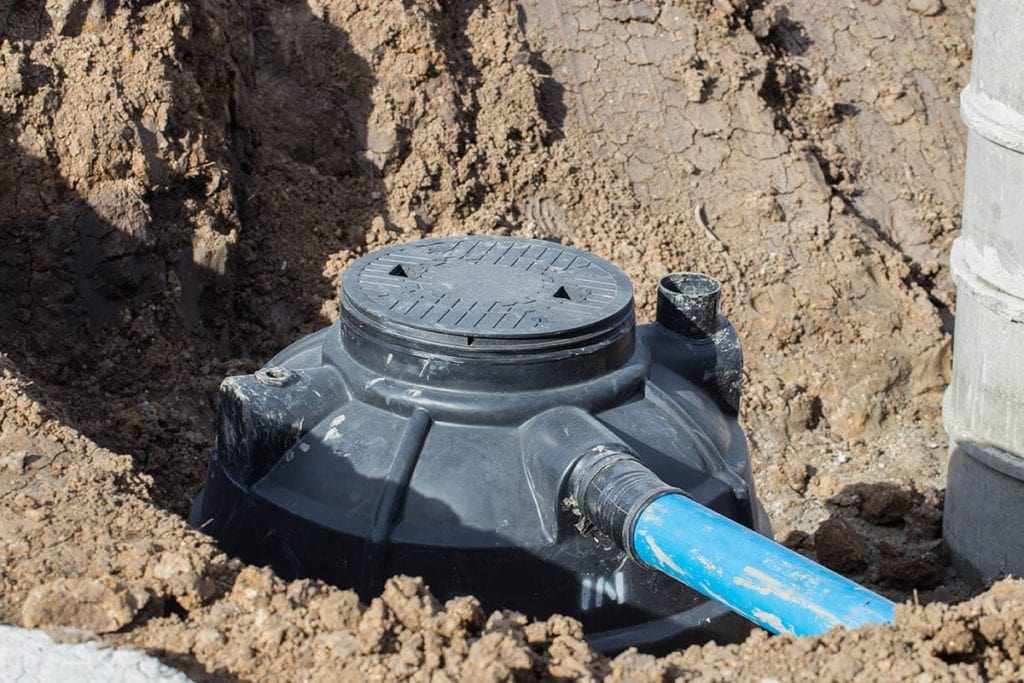
4. Problems with the Septic Tank Itself
The septic tank itself could be the source of the problem. A full or overflowing septic tank is a major red flag. When the tank is full, gases have nowhere to go but up. Similarly, a damaged or improperly maintained septic tank can allow gases to seep out from cracks or poorly sealed lids.
Diagnosing the Source of the Smell: A Detective's Work
Before you start calling plumbers, let's try to narrow down the source of the smell. Here's a little detective work you can do:
Fixing the Problem: It's Not a DIY Project (Usually)
Dealing with septic system problems is rarely a DIY job. The gases involved are hazardous, and improper repairs can worsen the problem and cause costly damage. This is where a professional comes in.
A qualified plumber or septic tank specialist can conduct a thorough inspection of your entire septic system, identify the source of the leak or blockage, and provide the necessary repairs. They have the expertise and equipment to handle this safely and effectively.
Depending on the severity of the problem, repairs might involve:
Prevention is Key: Maintaining Your Septic System
Regular maintenance is the best way to prevent septic system issues from arising. Here’s what you can do:
Commonly Asked Questions
Q: Is the smell harmful?
A: Yes, sewer gases can contain harmful bacteria and toxic gases like hydrogen sulfide. Prolonged exposure can cause nausea, headaches, and respiratory problems. Get it fixed immediately.
Q: How much will repairs cost?
A: The cost varies significantly depending on the extent of the repairs needed. Minor repairs might be a few hundred dollars, while major repairs, such as replacing the septic tank or drain field, could cost thousands.
Q: Can I do this myself?
A: Unless you have extensive plumbing and septic system experience, it's best to leave repairs to a professional. Working with sewer gases is dangerous and can lead to serious health risks and costly mistakes.
Q: How can I prevent this from happening again?
A: Regular maintenance is key. Schedule regular septic tank pumping and be mindful of what you flush down your drains. Also, a yearly inspection from a septic professional can catch problems early.
Dealing with a septic odor in your attic is undeniably frustrating, but by understanding the causes and taking prompt action, you can get rid of the smell and prevent further problems. Remember, calling in a professional is often the best and safest course of action.