How to Prevent Septic Tank Odor with Proper Maintenance
The telltale scent of a septic tank can be a real nightmare, especially when it wafts through your home. However, with proper maintenance, you can easily prevent this unpleasant odor and ensure your septic system runs smoothly for years to come. This article will guide you through the essential steps to keep your septic system odor-free and functioning at its best.
Understanding Septic Tank Odor
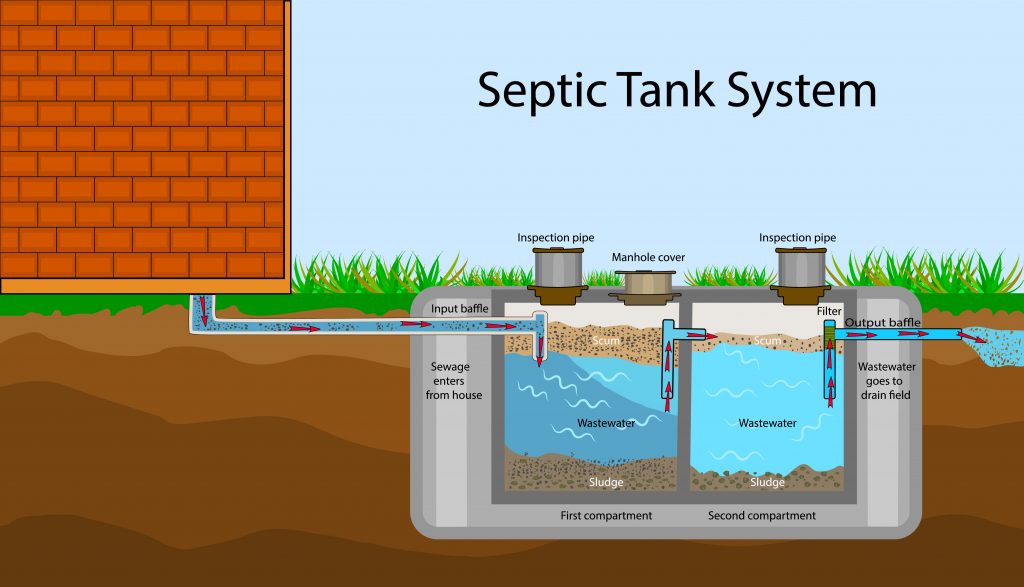
The unpleasant odor emanating from your septic system arises from the breakdown of organic waste. When wastewater enters your septic tank, bacteria break down the solids into sludge and liquid, leaving behind a mixture of gases. If this process is disrupted, these gases can escape into the surrounding environment, leading to the unpleasant odor you may notice.
Essential Maintenance Practices
1. Regular Pumping
One of the most crucial steps is regular pumping. As wastewater enters your septic tank, the solids settle at the bottom, forming sludge. Over time, this sludge accumulates, reducing the tank's capacity and potentially leading to backups and odors. To prevent this, you should have your septic tank pumped every 3-5 years, depending on your household size and usage.
2. Minimize Flushing of Solids
Avoid flushing non-biodegradable items down the toilet, such as wipes, paper towels, sanitary products, and grease. These items can clog your septic system, leading to backups and unpleasant odors. Always dispose of these items properly in trash cans.
3. Proper Water Usage
Be mindful of your water usage, especially when it comes to large appliances. Avoid running multiple appliances simultaneously, as this can overload your septic system. Consider using low-flow showerheads, toilets, and washing machines to reduce water consumption and strain on your septic system.
4. Avoid Overloading the System
Excessive water usage can overwhelm your septic system, leading to backups and odor issues. Limit the use of water-intensive activities like washing clothes, running the dishwasher, or taking long showers to avoid overloading your system.
5. Inspect and Maintain the Drainfield
The drainfield is responsible for filtering wastewater from your septic tank. Regular inspections and maintenance are crucial. You should visually inspect the drainfield for any signs of damage or blockages. Avoid driving or parking vehicles over the drainfield area.
6. Consider a Septic Tank Additive
Septic tank additives can help improve the breakdown of solids and reduce odor. These additives contain beneficial bacteria that enhance the decomposition process in your septic tank. Consult with a septic tank professional to determine the best type of additive for your system.
Signs of a Septic System Issue
Stay alert for potential issues by monitoring for these signs:
- Slow drainage
- Gurgling sounds from drains
- Sewage backup in the house
- Foul odors in the house or yard
- Sinking or soggy ground around the septic tank or drainfield
If you notice any of these signs, contact a qualified septic tank professional immediately. They can diagnose the problem and recommend the necessary repairs or maintenance to restore your septic system to optimal functionality.
Conclusion
By following these simple maintenance practices, you can significantly reduce the chances of experiencing septic tank odor and ensure your system operates efficiently for years to come. Remember, regular pumping, proper water usage, and routine inspections are key to a healthy and odor-free septic system.
0 komentar:
Posting Komentar