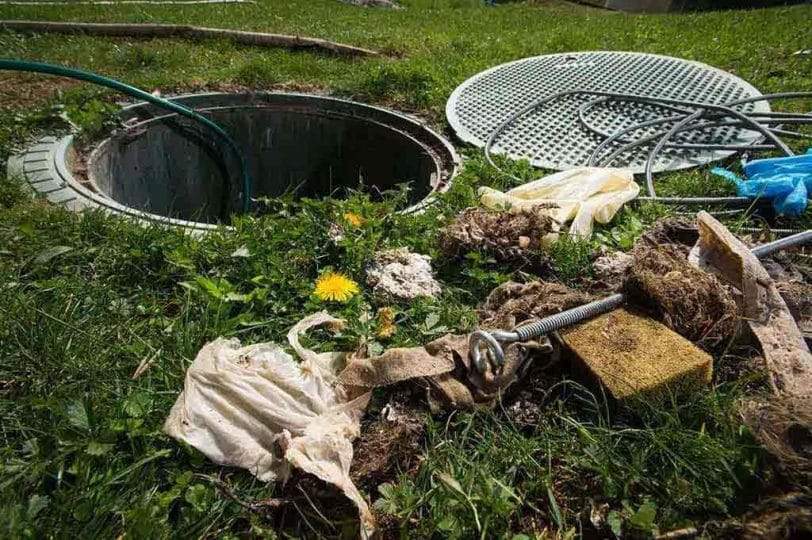
How to Fix Septic Tank Smells in Your Home’s Plumbing System
A septic tank is a vital part of your home’s wastewater treatment system. It's responsible for separating solid waste from liquid waste, allowing the liquid to be discharged safely into the environment. However, septic systems can sometimes malfunction, leading to unpleasant smells that permeate your home. These odors are often a sign of underlying issues and require prompt attention. This article will guide you through the common causes of septic tank smells and provide practical solutions to eliminate them.
Understanding the Source of the Septic Tank Smell
Septic tank smells usually originate from the breakdown of organic matter within the tank. Bacteria decompose the waste, producing hydrogen sulfide gas (H2S), a foul-smelling compound responsible for the typical "rotten egg" odor. This gas can escape through various pathways, including:
1. Vent Pipes:
Your septic system has vent pipes that extend above your roofline, allowing gases to escape safely. These pipes can become clogged with debris, trapping gases that can then back up into your plumbing system.
2. Drain Field:
The drain field, where the treated wastewater is discharged, can also contribute to odors. If the field is overloaded or damaged, it may not be able to adequately process the wastewater, leading to backflow and odors.
3. Plumbing Traps:
Plumbing traps are U-shaped sections of pipe designed to hold a small amount of water, creating a barrier that prevents sewer gases from entering your home. If these traps dry out, the barrier is compromised, allowing odors to seep in.
4. Leaking Pipes:
Leaks in your plumbing system can create entry points for sewer gases to enter your home. Over time, pipes can corrode or become damaged, leading to leaks that need to be repaired.
Troubleshooting and Solving Septic Tank Smells
To effectively address septic tank odors, you need to identify their source. Consider the following steps:
1. Inspect the Vent Pipes:
Start by checking your vent pipes. Ensure they are not blocked by debris, such as leaves, twigs, or bird nests. If you see any blockages, carefully remove them. It's recommended to have your vent pipes professionally inspected and cleaned annually to prevent future blockages.
2. Examine the Drain Field:
Inspect your drain field for any signs of damage or overloading. Look for standing water, soggy ground, or vegetation growing over the field. These indicators suggest that the field may be malfunctioning. Contact a qualified septic tank professional for an evaluation and repair if necessary.
3. Verify Plumbing Traps:
Ensure that all plumbing traps in your home have water in them. If a trap is dry, pour a cup of water into it to restore the water seal. Consider using trap seal protectors for toilets and floor drains to prevent them from drying out.
4. Address Leaks:
If you suspect a leak in your plumbing system, have it professionally inspected and repaired. Leaks can create entry points for sewer gases and should be addressed promptly.
Maintenance and Prevention Strategies
Regular maintenance is crucial to prevent septic tank odors and ensure the efficient operation of your system. Follow these tips:
1. Regular Septic Tank Pumping:
Have your septic tank pumped out every 3-5 years or whenever it is 1/3 full. Pumping removes accumulated sludge and solids, preventing them from backing up into your plumbing system.
2. Avoid Flushing Harmful Items:
Never flush items like coffee grounds, grease, wipes, or medications down your drains. These substances can clog pipes, overload the septic tank, and contribute to odor problems.
3. Minimize Wastewater:
Reduce water usage whenever possible. Take shorter showers, fix leaky faucets, and use water-saving appliances to decrease the volume of wastewater entering your septic system. This helps to extend the lifespan of your system and reduce the risk of odors.
4. Maintain Landscaping:
Keep your septic system's drain field free of trees, shrubs, and other vegetation. Roots can penetrate the drain field and cause damage. Maintain a buffer zone of at least 10 feet around the system.
Professional Assistance
While some septic tank odor issues can be addressed with basic maintenance, others may require professional intervention. Here are situations where you should seek professional help:
- Recurring odors despite maintenance efforts.
- Significant drain field issues.
- Suspected leaks in the septic system.
- Uncertainty about your septic system's age or condition.
Septic tank professionals have the expertise and equipment to diagnose and resolve complex odor problems. They can also provide guidance on best practices for maintaining a healthy septic system.
Conclusion
Septic tank smells can be a nuisance, but they are often a sign of a treatable problem. By understanding the causes and taking preventative measures, you can keep your septic system functioning efficiently and your home odor-free. Regular maintenance, responsible waste disposal, and prompt attention to potential issues will ensure that your septic system continues to serve you reliably for years to come. Remember, a healthy septic system is a key component of a safe and comfortable living environment.
0 komentar:
Posting Komentar